Program Introduction
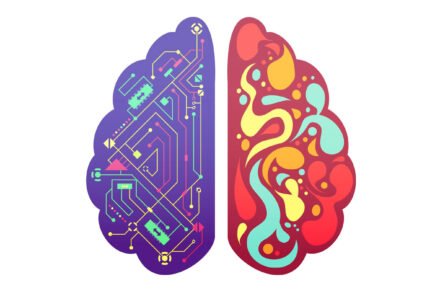
We spend billions on the silicon in our machines, but we ignore the software in our heads. We’ve been taught that the smartest person in the room is the one with the highest IQ the one who can crunch the numbers and build the spreadsheets. But in a world where AI can do all of that better than any human, IQ is becoming a commodity. The new frontier isn’t how you think, it’s how you connect. Emotional Intelligence isn’t soft it’s the hardest, most vital skill a leader can possess. It’s the invisible code that determines whether your organization thrives or crashes.
Brief Overview
In the corporate landscape of 2026, leadership is no longer about commanding people, it’s about co-ordinating with them. We are working in high-pressure, digital environments where stress is constant and focus is fragmented. Leading with Emotional Intelligence (EQ) is the process of upgrading your leadership operating system to handle human complexity.
It is the strategic ability to recognize, understand, and manage your own emotions while simultaneously influencing the emotional state of your entire team. This isn’t about being nice, it’s about being effective. It’s the difference between a leader who triggers defensiveness and a leader who inspires openness. By mastering EQ, you move from being a manager of tasks to a master of human potential, creating an environment where people don’t just work, they excel.
Our Clients










Emotional intelligence is incomplete without
Emotional intelligence translates to
Psychological Safety
When leaders manage with emotional intelligence, it builds a workplace where people feel comfortable taking smart risks, admitting their mistakes early, and sharing unconventional ideas. That comfort is exactly what allows real innovation to happen.
Enhanced Decision Making
Emotions cloud judgment, EQ clears it. By mastering self-regulation, your leaders will make decisions based on strategic reality rather than temporary emotional states like frustration or ego. You’ll see a measurable increase in the quality of your executive choices.
Aligned Exposure to Team
When a leader is emotionally attuned to their team, they don’t need to rely on authority to get things done. You will find that your leadership’s ability to drive change and secure commitment becomes effortless, as people naturally want to follow someone who truly gets them.
Better Response from Clients
When there are emotionally aligned teams dedicated to solving problems the results come out in a meaningful and powerful way. Employees work bearing in mind that their manager holds equal accountability and contribution when it comes to deliverables.